
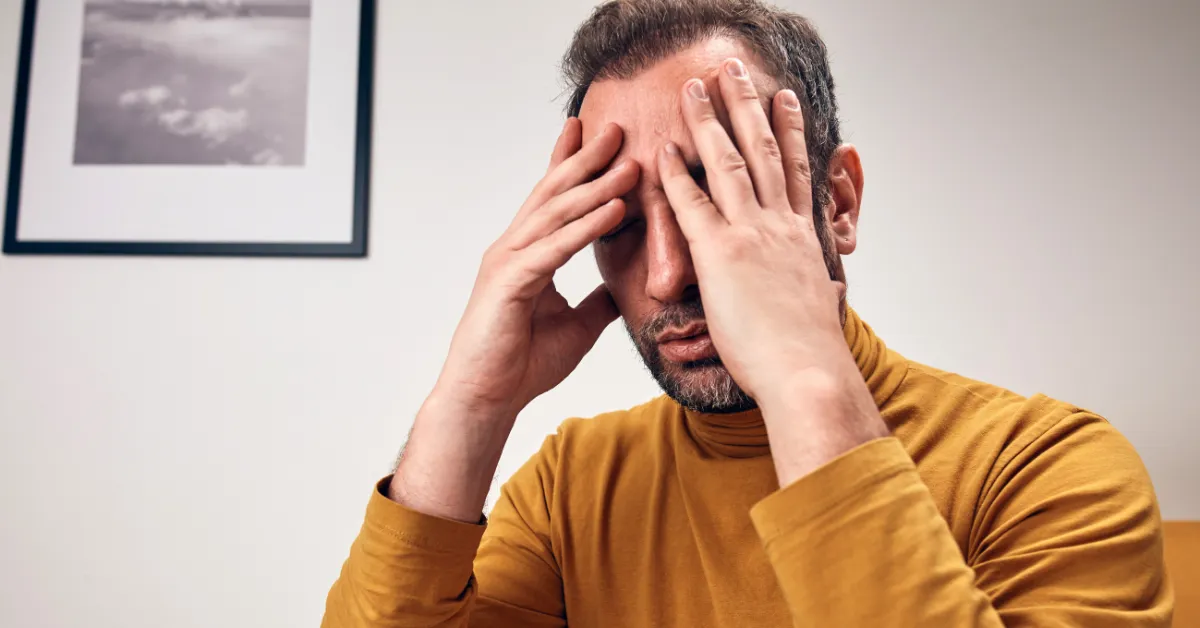
Anxiety is a common emotional response linked with feelings of worry or unease. It often appears during stressful moments or uncertain situations. While mild anxiety can be part of normal life, persistent feelings may affect daily comfort and focus.
Feelings of tension or restlessness are experiences many people notice at different times. Understanding these reactions helps clarify why anxiety symptoms can influence mood, sleep, and concentration.
Some physical changes may also connect with heart disease symptoms when stress affects the body.
Topic Snapshot
• emotional and physical responses
• stress and situational triggers
• patterns that vary between individuals
• impact on sleep and concentration
• awareness and coping context
What Anxiety Is?
Anxiety refers to a state of heightened alertness in the body and mind. It may appear as nervousness, tension, or a sense of unease. These feelings often arise when the brain responds to perceived stress or uncertainty.
In many cases, anxiety is temporary and linked with specific events. When it becomes frequent or long-lasting, it may influence mood, energy, and daily routines. Understanding these patterns helps clarify why anxiety feels different for each person.
Common Emotional and Physical Experiences
People experience anxiety symptoms in different ways. Some notice constant worry, while others feel restlessness or difficulty relaxing. Emotional changes may appear alongside physical sensations.
Common experiences may include:
• rapid thoughts or overthinking
• muscle tension or tightness
• faster heartbeat sensation
• difficulty focusing
• changes in sleep patterns
The intensity and combination of these signs often differ between individuals.
In some cases, people also report blood pressure symptoms during periods of anxiety.
Factors Linked With Anxiety
Several influences may contribute to anxiety responses. Stressful life events, workload pressure, financial concerns, or changes in routine can affect emotional balance. Daily habits, including sleep patterns and activity levels, may also play a role.
Social expectations and environmental pressures can shape how anxiety develops. Support systems, lifestyle routines, and personal coping styles often influence how people experience stress over time.
Patterns Over Time
Anxiety may appear occasionally or follow recurring patterns. Some people notice symptoms during busy periods, while others experience ongoing tension without a clear trigger. Tracking when symptoms occur can reveal useful insights.
Over time, anxiety may change in intensity. Periods of calm may alternate with moments of heightened worry. Recognizing these cycles helps people better understand their own emotional responses.
How Anxiety Is Evaluated?
Health professionals often begin with a discussion about symptoms and daily experiences. They may ask about mood, sleep, and stress levels to understand patterns and triggers. This conversation helps build a clearer picture of emotional wellbeing.
In some cases, questionnaires or assessments are used to explore symptom frequency and severity. These tools support understanding rather than providing a final diagnosis on their own.
Daily Awareness and Support
Simple awareness can help people notice early signs of stress. Paying attention to sleep habits, workload, and emotional changes can provide helpful insight into how anxiety affects daily life.
Healthy routines, supportive relationships, and balanced schedules often influence emotional stability. Some people find that relaxation practices help them observe their responses more clearly, though experiences vary between individuals.
These patterns are easier to understand when you know what is anxiety and how it develops.
Frequently Asked Questions
What is the difference between stress and anxiety?
Stress usually relates to a specific situation, while anxiety may continue even after the situation ends.
Can anxiety affect physical health?
Yes, it may influence sleep, energy levels, and concentration.
Is anxiety common?
Many people experience anxiety at different points in life.
Closing Thoughts
Anxiety is a natural response that can vary widely from person to person. Understanding its emotional and physical patterns supports better awareness and helps individuals recognize when changes occur.
Clear information about anxiety symptoms allows people to feel more informed and prepared when discussing emotional wellbeing with health professionals.