
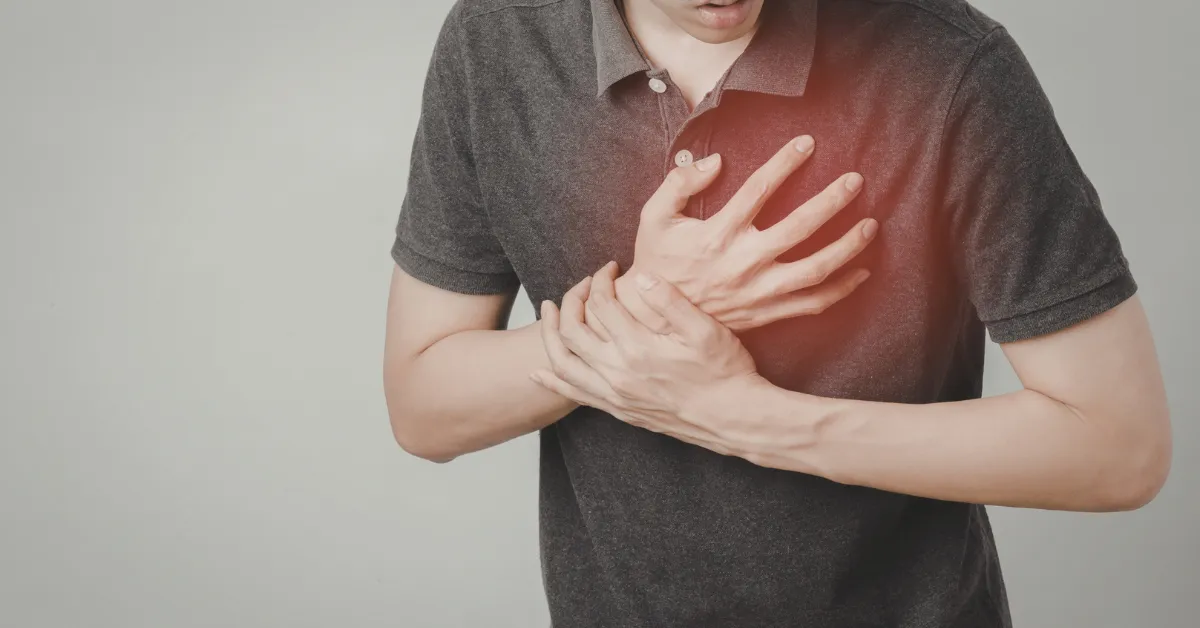
Chest tightness can feel alarming, especially when it appears without a clear physical reason. Many people notice this sensation during periods of stress, linking it with anxiety symptoms.
Understanding how anxiety chest tightness occurs helps explain why the body may respond with pressure or discomfort. Clear awareness supports better recognition of this common experience.
Topic Snapshot
• muscle tension in the chest area
• breathing pattern changes
• stress response activation
• variation in sensation intensity
• patterns linked with emotional strain
What Is Anxiety Chest Tightness?
Anxiety chest tightness refers to a feeling of pressure or constriction around the chest that occurs during anxious moments. This sensation often results from muscle tension and changes in breathing patterns.
When the body reacts to stress, muscles may tighten and breathing may become shallow. These responses can create a noticeable feeling of heaviness or tightness in the chest.
How Does the Sensation Feel?
People describe anxiety chest tightness in different ways depending on their experience. The sensation may be mild or more noticeable during heightened stress.
Common descriptions include:
• pressure across the chest
• tight or restricted feeling
• shallow breathing sensation
• mild discomfort when taking deep breaths
• awareness of chest muscles
These sensations often lessen as tension decreases.
What May Trigger Chest Tightness?
Stressful situations, emotional strain, or sudden worry can activate the body’s alert response. This activation may lead to muscle tightening around the chest area.
Lifestyle factors such as fatigue, prolonged sitting, or irregular routines may also influence how often this sensation appears. Triggers often vary between individuals.
Do Symptoms Follow a Pattern?
Some people notice chest tightness during busy periods or emotionally demanding situations. Others may experience it unexpectedly. Tracking when the sensation occurs can reveal patterns.
Recognizing these patterns may help people better understand how their body reacts to stress.
How Is Chest Tightness Evaluated?
Health professionals often ask about timing, intensity, and related symptoms. They may explore emotional stress alongside physical health history to understand possible causes.
This evaluation helps determine whether the sensation relates to stress responses or other factors.
Daily Awareness
Noticing breathing patterns, posture, and stress levels can help people understand when chest tightness may appear. Awareness of these factors often clarifies personal triggers.
Balanced routines and supportive environments may influence how frequently these sensations occur. Observing patterns helps build a clearer understanding of body responses.
Frequently Asked Questions
Can anxiety cause chest tightness?
Yes, anxiety may lead to muscle tension and breathing changes that create this sensation.
Is anxiety chest tightness dangerous?
Chest tightness can have different causes, so persistent or severe symptoms should be discussed with a professional.
Does the sensation last long?
Duration varies depending on stress levels and individual response.
Closing Thoughts
Chest tightness linked with anxiety symptoms reflects how emotional stress can influence physical sensations. Understanding this connection helps people recognize patterns and feel more informed.
Clear information about anxiety chest tightness supports better awareness and encourages informed conversations about emotional and physical wellbeing.