
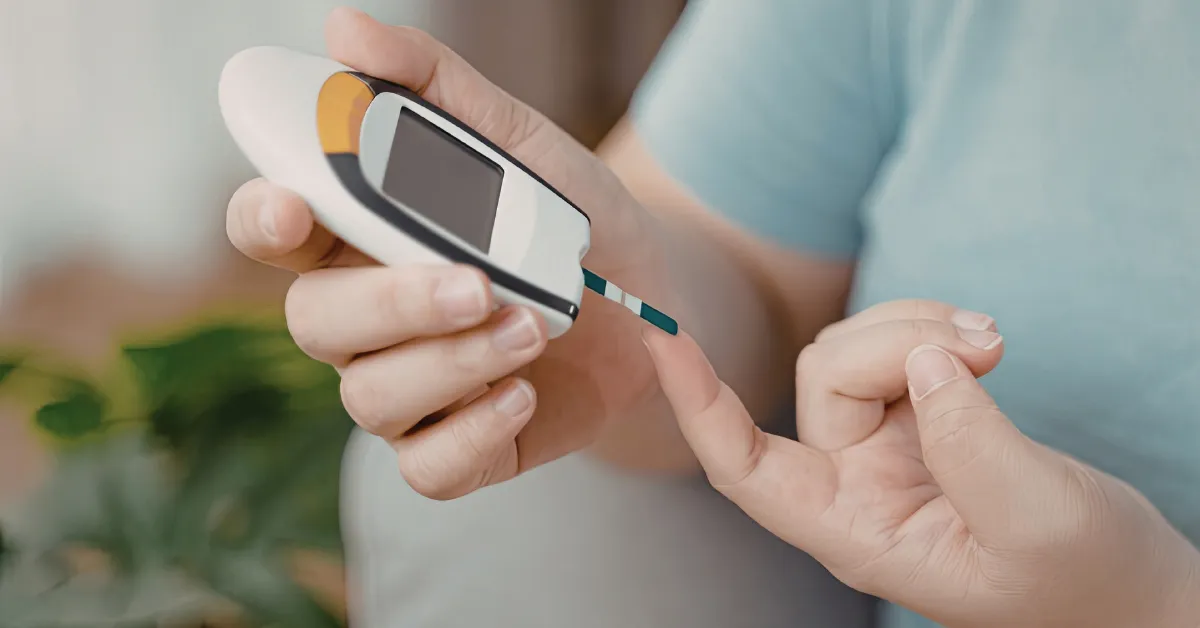
Low blood sugar occurs when glucose levels in the bloodstream drop below the level the body needs for normal function. These changes can influence energy, concentration, and physical comfort. Recognizing low blood sugar symptoms helps people understand how the body reacts when glucose becomes too low.
Clear awareness of these signs helps explain why the body may respond quickly when energy supply decreases. Understanding these patterns supports better recognition of early body signals.
What Are Low Blood Sugar Symptoms?
Low blood sugar symptoms appear when the body does not have enough glucose available for normal activity. This condition is often called hypoglycemia.
Because glucose is an important source of energy for the brain and muscles, the body may respond quickly when levels drop. These responses can create noticeable physical sensations.
These changes may still occur in people managing diabetes symptoms.
Common Signs of Low Blood Sugar
People experiencing low blood sugar symptoms may notice several physical or mental changes. The sensations may appear suddenly and vary between individuals.
Common experiences include:
• shaking or trembling
• sweating
• dizziness or lightheadedness
• hunger
• difficulty concentrating
These signs often occur because the body is reacting to reduced energy supply.
Why Do These Symptoms Occur?
When blood sugar falls, the body activates stress hormones that help raise glucose levels. These hormones may increase heart rate and stimulate the nervous system.
This reaction helps the body restore energy balance. However, it may also produce noticeable sensations such as shaking or sweating.
Patterns and Possible Triggers
Some people notice symptoms during long gaps between meals, increased physical activity, or irregular eating routines. These situations may influence how the body manages glucose.
Tracking when symptoms occur can help reveal patterns linked with daily habits and energy use.
How Low Blood Sugar Is Evaluated?
Health professionals often ask about symptom timing, eating habits, and activity levels. These discussions help build a clearer understanding of how glucose levels may fluctuate.
Blood tests are commonly used to measure glucose levels and confirm patterns related to low blood sugar.
Daily Awareness
Paying attention to hunger, energy changes, and concentration may help people recognize early body signals. Awareness of these sensations supports better understanding of glucose balance.
Balanced meals and regular routines often influence how the body maintains stable energy levels.
Blood sugar fluctuations are better understood through a blood sugar test.
Frequently Asked Questions
What is the first sign of low blood sugar?
Many people notice hunger, shaking, or dizziness when glucose levels drop.
Can low blood sugar affect concentration?
Yes, reduced glucose may influence mental focus and clarity.
Do symptoms appear quickly?
In many cases, symptoms can appear suddenly when glucose levels fall.
Closing Thoughts
Low blood sugar symptoms reflect how the body responds when energy supply becomes limited. Recognizing these signs helps people understand how glucose levels influence physical and mental comfort.
Clear information about these symptoms supports better awareness of how the body manages energy throughout the day.