
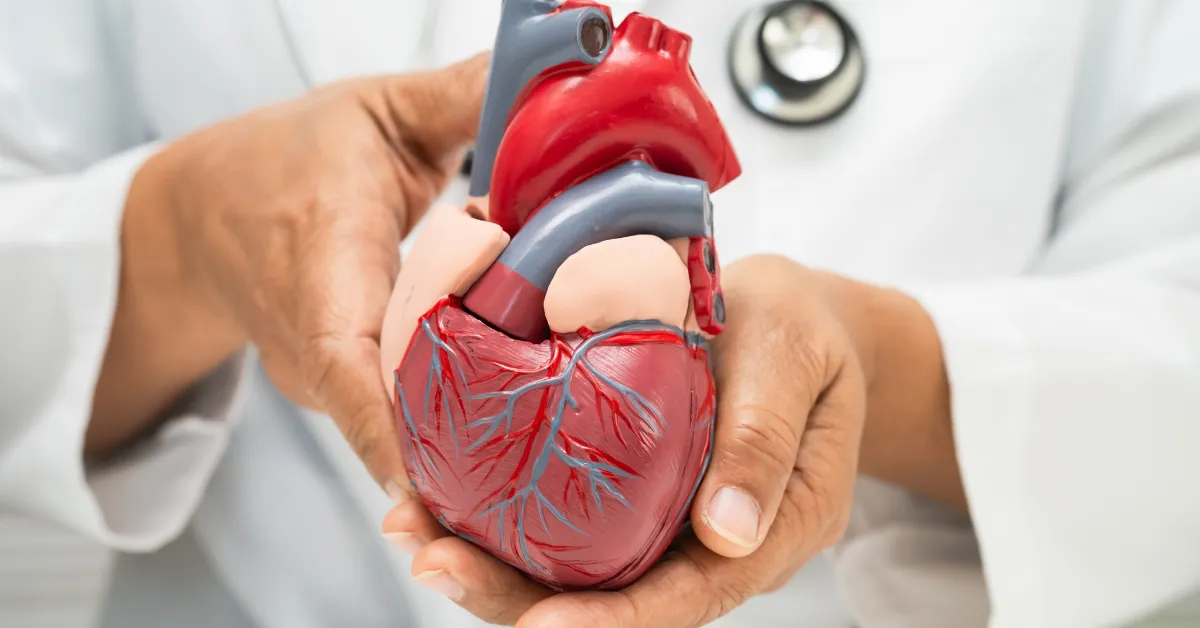
The heart plays a central role in circulating blood throughout the body. When heart function changes, the body may produce different physical signals. Recognizing heart disease symptoms helps people understand how cardiovascular health may influence daily wellbeing.
Some symptoms appear gradually, while others may develop more suddenly. Clear awareness of these signs can support better understanding of how heart conditions affect the body.
These changes are often linked with blood pressure symptoms.
Topic Snapshot
• changes in heart and circulation function
• influence on breathing and energy
• physical sensations in the chest
• variation in symptom intensity
• patterns linked with lifestyle and health factors
What Are Heart Disease Symptoms?
Heart disease symptoms refer to physical sensations that may appear when the heart or blood vessels do not function normally. Because the heart supports circulation for the entire body, these symptoms may affect several systems.
Some people experience mild changes, while others notice more noticeable physical discomfort.
Common Signs of Heart Disease
People experiencing heart disease symptoms may notice several physical sensations. These signs may appear during activity or even while resting.
Common experiences include:
• chest discomfort or pressure
• shortness of breath
• fatigue or low energy
• dizziness or lightheadedness
• swelling in the legs or ankles
These symptoms may vary depending on the type of heart condition.
Some people also experience chest pain heart problem.
Why These Symptoms Occur?
Many heart disease symptoms appear because circulation becomes less efficient. When blood flow changes, the body may receive less oxygen and nutrients.
This shift can influence breathing, muscle function, and energy levels.
Patterns Over Time
Some individuals notice symptoms gradually increasing, while others experience sudden changes. Tracking when symptoms appear may help reveal patterns linked with physical activity or stress.
Recognizing these patterns supports clearer discussions about heart health.
How Heart Disease Is Evaluated?
Health professionals often begin evaluation by discussing symptoms and medical history. Several tests may be used to assess heart function and circulation patterns.
These may include blood pressure measurements, heart rhythm monitoring, and imaging tests.
Daily Awareness
Paying attention to chest discomfort, breathing changes, or unusual fatigue may help people recognize early body signals related to heart health.
Balanced routines, physical activity, and regular monitoring often support cardiovascular wellbeing.
Frequently Asked Questions
What are common heart disease symptoms?
Chest discomfort, shortness of breath, fatigue, and dizziness are commonly reported signs.
Can heart disease develop without symptoms?
Yes, some individuals experience few noticeable signs in early stages.
When should symptoms be evaluated?
Persistent or unusual symptoms should be discussed with a health professional.
Tests like the ecg test help evaluate heart activity.
Closing Thoughts
Heart disease symptoms reflect how changes in heart and circulation function may influence the body. Understanding these signs helps people become more aware of cardiovascular health.
Clear awareness of these symptoms supports better recognition of patterns related to heart function.