
Blood pressure reflects the force of blood moving through the arteries. When this pressure remains higher than usual, the condition is often described as high blood pressure. Many people do not notice symptoms immediately, but some physical sensations may appear when circulation changes.
Understanding high blood pressure symptoms helps explain how the body may respond when artery pressure increases. Clear awareness of these signs supports better recognition of changes in cardiovascular health.
Topic Snapshot
• elevated pressure inside arteries
• influence on heart and circulation
• possible physical sensations
• variation between individuals
• patterns linked with lifestyle factors
What Are High Blood Pressure Symptoms?
High blood pressure symptoms refer to physical sensations that may appear when artery pressure remains elevated. This condition is also known as hypertension.
Because blood circulates through every organ, increased pressure may influence several body systems. In many cases, symptoms remain mild or develop gradually.
Common Signs of High Blood Pressure
People experiencing high blood pressure symptoms may notice different sensations depending on how circulation changes.
Common experiences include:
• frequent headaches
• dizziness or lightheadedness
• blurred vision
• fatigue or reduced energy
• shortness of breath
These sensations may appear occasionally or during certain situations.
Why Do These Symptoms Occur?
When blood pressure rises, arteries experience increased force from circulating blood. This change can influence blood flow to the brain and other organs.
As circulation patterns shift, the body may produce sensations such as headaches or dizziness. The intensity may vary between individuals.
Patterns Over Time
Some people notice symptoms developing gradually, while others experience them during periods of stress or physical exertion. Tracking when these sensations appear may help reveal patterns.
Recognizing these patterns can support clearer understanding of circulation changes.
How High Blood Pressure Is Evaluated
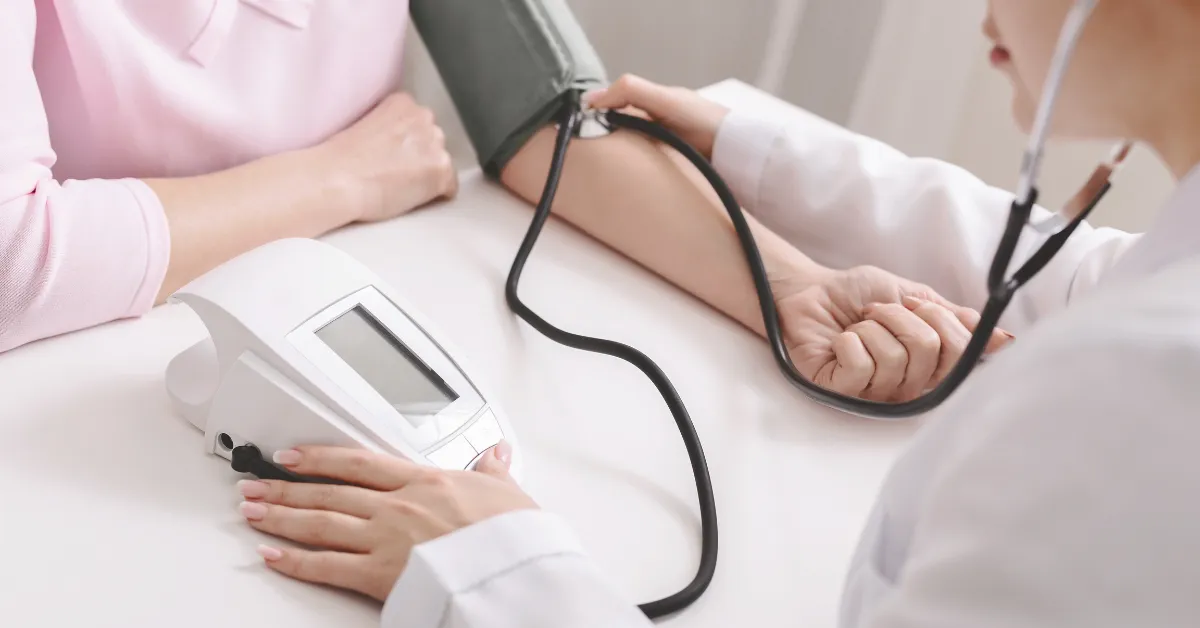
Health professionals measure blood pressure using a cuff placed around the upper arm. The device records two numbers that represent artery pressure.
Repeated measurements help identify whether pressure remains consistently elevated.
Daily Awareness
Paying attention to headaches, dizziness, and changes in vision may help people notice early body signals related to circulation. Awareness of these sensations supports better understanding of cardiovascular health.
Balanced routines, physical activity, and regular monitoring often influence blood pressure patterns.
Frequently Asked Questions
What are common high blood pressure symptoms?
Headaches, dizziness, fatigue, and blurred vision are sometimes reported.
Can high blood pressure occur without symptoms?
Yes, many people experience no noticeable signs.
How is high blood pressure detected?
It is usually identified through repeated blood pressure measurements.
Closing Thoughts
High blood pressure symptoms reflect how increased artery pressure may influence the body. Recognizing these sensations can help people become more aware of circulation patterns.
Clear information about high blood pressure supports better understanding of cardiovascular health.