
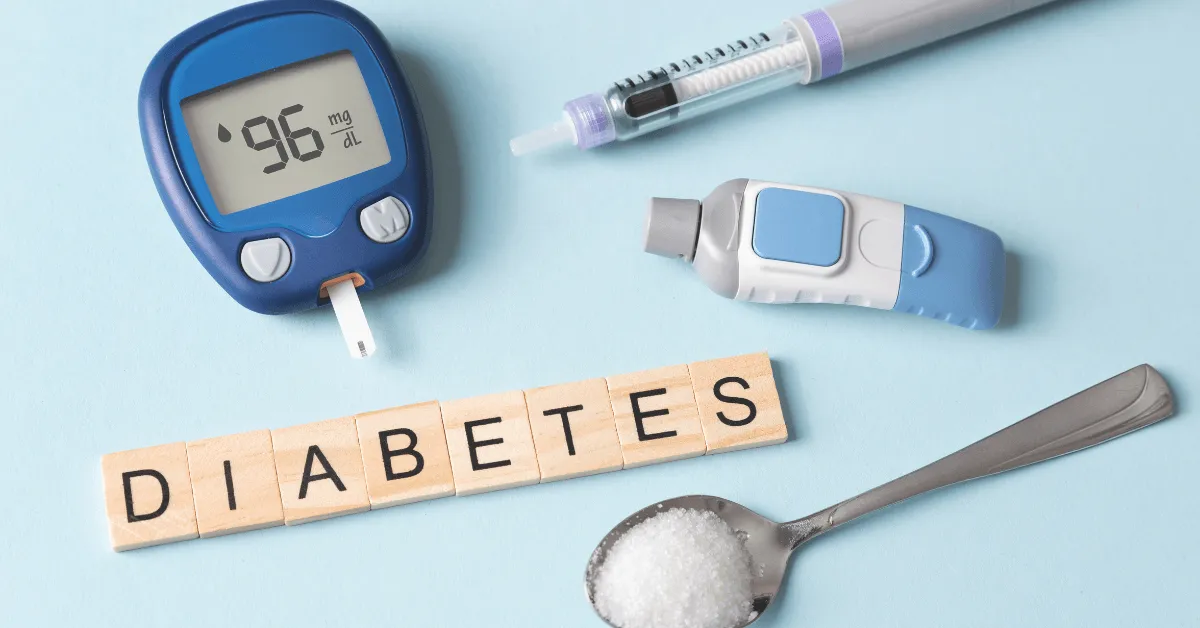
Type 1 diabetes is a long-term condition that affects how your body uses blood sugar. It develops when the immune system attacks the insulin-producing cells in the pancreas. Without enough insulin, glucose cannot move from the bloodstream into the body’s cells for energy.
Although type 1 diabetes often begins during childhood or adolescence, it can develop at any age. Early diagnosis and proper treatment help reduce the risk of serious complications and support a healthy, active life.
What Is Type 1 Diabetes?
Type 1 diabetes is an autoimmune disease. The body’s immune system mistakenly destroys beta cells in the pancreas, which produce insulin. As insulin production decreases, blood sugar levels rise.
Unlike Type 2 diabetes, this condition is not caused by lifestyle habits or excess body weight. People with type 1 diabetes need insulin therapy every day to survive.
Many people first notice common diabetes symptoms before receiving a diagnosis. If you experience increased thirst, unexplained weight loss, or constant hunger, read our guide on Diabetes Symptoms for a complete overview.
What Causes Type 1 Diabetes?
The exact cause is still unknown, but researchers believe several factors contribute.
These include:
- Autoimmune reactions
- Genetic risk
- Family history
- Certain viral infections
- Environmental triggers
Researchers continue studying why the immune system attacks healthy pancreatic cells in some people.
More information is available from the National Institute of Diabetes and Digestive and Kidney Diseases (NIDDK).
Who Is at Risk?
Anyone can develop type 1 diabetes, although some people have a higher risk.
Risk factors include:
- Family history
- Certain genetic markers
- Previous autoimmune diseases
- Childhood and teenage years
- Viral infections that may trigger the immune response
Having these risk factors does not guarantee that someone will develop the condition.
What Are the Symptoms of Type 1 Diabetes?
Symptoms often appear quickly over several days or weeks.
Common symptoms include:
- Frequent urination
- Extreme thirst
- Increased hunger
- Unexplained weight loss
- Fatigue
- Blurred vision
- Dry mouth
- Fruity-smelling breath
- Slow wound healing
Many of these are also common high blood sugar symptoms, especially when blood glucose remains uncontrolled.
Some people may also experience frequent urination and diabetes, which happens because excess glucose leaves the body through urine.
When Should You See a Doctor?
Seek medical care immediately if symptoms develop suddenly, especially when accompanied by:
- Vomiting
- Severe dehydration
- Rapid breathing
- Confusion
- Extreme weakness
These signs may indicate diabetic ketoacidosis (DKA), a medical emergency requiring immediate treatment.
How Is Type 1 Diabetes Diagnosed?
Doctors use several tests to confirm the diagnosis.
Common tests include:
- Blood Sugar Test
- Fasting Blood Sugar
- HbA1c Test
- Autoantibody tests
- Ketone testing
Your doctor may first recommend a Blood Sugar Test if diabetes is suspected.
The HbA1c Test helps measure your average blood sugar during the previous two to three months.
A Fasting Blood Sugar test may also help evaluate how well your body controls glucose after several hours without eating.
What Are the Treatment Options?
There is currently no cure for type 1 diabetes, but treatment helps keep blood sugar within a healthy range.
Treatment usually includes:
- Daily insulin therapy
- Blood glucose monitoring
- Continuous glucose monitors (CGMs)
- Insulin pumps
- Healthy eating
- Regular exercise
- Diabetes education
Following your healthcare provider’s treatment plan helps lower the risk of complications.
Can Diet Help Manage Type 1 Diabetes?
Healthy eating plays an important role alongside insulin therapy.
A balanced eating plan usually includes:
- Vegetables
- Fruits
- Whole grains
- Lean protein
- Healthy fats
- High-fiber foods
People should also learn how carbohydrates affect blood sugar and adjust insulin accordingly.
What Complications Can Occur?
Without good blood sugar control, type 1 diabetes can affect many organs.
Possible complications include:
- Heart disease
- Kidney disease
- Nerve damage
- Eye disease
- Foot problems
- High blood pressure
Keeping blood sugar within target ranges helps reduce these risks.
Understanding heart disease symptoms is important because diabetes increases cardiovascular risk over time.
Can Type 1 Diabetes Be Prevented?
At present, there is no known way to prevent type 1 diabetes.
Researchers continue studying genetic and environmental factors that may eventually lead to prevention strategies.
Living Well With Type 1 Diabetes
Many people with type 1 diabetes live long and healthy lives.
Helpful habits include:
- Taking insulin exactly as prescribed
- Monitoring blood sugar regularly
- Eating balanced meals
- Staying physically active
- Attending regular medical checkups
- Managing stress
- Getting enough sleep
Daily self-care greatly improves long-term health outcomes.
Frequently Asked Questions
Can adults develop type 1 diabetes?
Yes. Although it often begins during childhood, adults can also develop type 1 diabetes.
Is type 1 diabetes hereditary?
Genetics can increase the risk, but many people with type 1 diabetes have no family history.
Can type 1 diabetes be cured?
No. There is currently no cure, but insulin therapy effectively manages the condition.
What is the difference between Type 1 and Type 2 diabetes?
Type 1 diabetes is an autoimmune condition that requires insulin. Type 2 diabetes usually develops because of insulin resistance and often responds to lifestyle changes and medication.
Final Thoughts
Type 1 diabetes is a lifelong condition, but modern treatments allow people to manage blood sugar successfully and reduce complications. Learning the symptoms early, receiving prompt medical care, and following a personalized treatment plan can make a significant difference in long-term health.
If you notice symptoms such as excessive thirst, frequent urination, unexplained weight loss, or fatigue, seek medical evaluation as soon as possible. Early diagnosis and consistent diabetes management remain the best way to protect your health.