
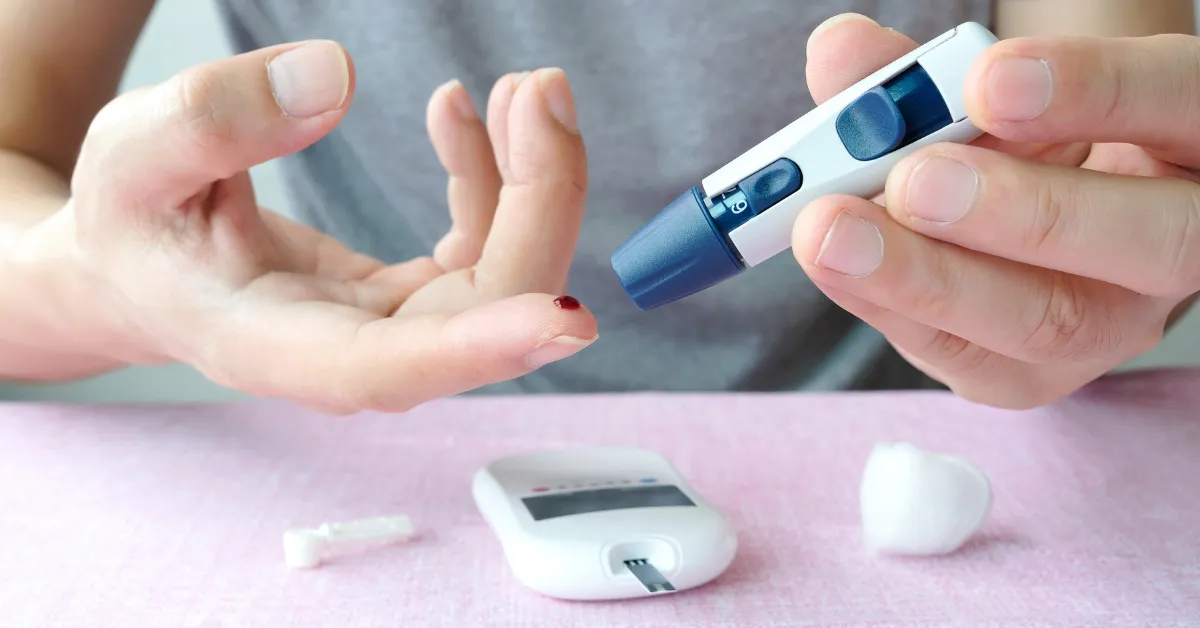
Diabetes is a health condition that affects how the body manages blood sugar levels. Changes in blood glucose may influence energy, thirst, and daily comfort. Recognizing diabetes symptoms helps people understand when changes in the body may require attention.
Early awareness of these signs can support better understanding of how the body responds to changes in blood sugar. Clear information helps explain why symptoms may appear gradually or develop over time.
Some people also experience blood pressure symptoms alongside these changes.
Topic Snapshot
• changes in blood sugar levels
• increased thirst and urination
• shifts in energy and appetite
• vision or concentration changes
• patterns linked with daily routines
What Are Diabetes Symptoms?
Diabetes symptoms are physical signs that appear when blood sugar levels remain higher than normal. These changes occur because the body has difficulty regulating glucose.
When glucose builds up in the bloodstream, the body may respond in several ways. These responses may affect hydration, energy, and overall comfort.
Common Early Signs
People may notice several early signs when blood sugar levels change. These symptoms may develop gradually and sometimes appear together.
Common experiences include:
• increased thirst
• frequent urination
• unexplained fatigue
• increased hunger
• blurred vision
These signs may vary depending on how blood sugar levels change over time.
Why Do These Symptoms Occur?
Many diabetes symptoms appear because the body attempts to balance high glucose levels. Increased urination may occur as the body removes excess sugar through urine.
This process may lead to dehydration, which explains why increased thirst is often reported. Energy changes may also occur because glucose is not used efficiently by the body.
Patterns Over Time
Some people notice symptoms developing slowly, while others experience noticeable changes more quickly. Tracking changes in thirst, urination, and energy may help reveal patterns.
These patterns can provide useful information when discussing symptoms with health professionals.
These patterns may overlap with fatty liver conditions in some cases.
How Symptoms Are Evaluated?
Health professionals usually begin by discussing symptoms and daily habits. They may ask about thirst, energy levels, and changes in appetite.
Blood tests are commonly used to measure glucose levels. These tests help determine how the body manages blood sugar.
Daily Awareness
Paying attention to hydration, energy levels, and changes in appetite can help people notice early body signals. Awareness of these changes often supports earlier conversations about health.
Balanced routines, regular meals, and consistent sleep may influence how the body regulates energy and blood sugar.
Frequently Asked Questions
What are the earliest diabetes symptoms?
Common early signs include increased thirst, frequent urination, fatigue, and blurred vision.
Can diabetes symptoms appear slowly?
Yes, symptoms often develop gradually over time.
Are diabetes symptoms the same for everyone?
No, experiences vary depending on individual health and blood sugar patterns.
Understanding type 2 diabetes can help explain these symptoms further.
Closing Thoughts
Diabetes symptoms reflect how changes in blood sugar levels influence the body. Recognizing these signs helps people become more aware of how their body responds to glucose changes.
Clear information about these symptoms supports better awareness and encourages informed discussions about health and wellbeing.