
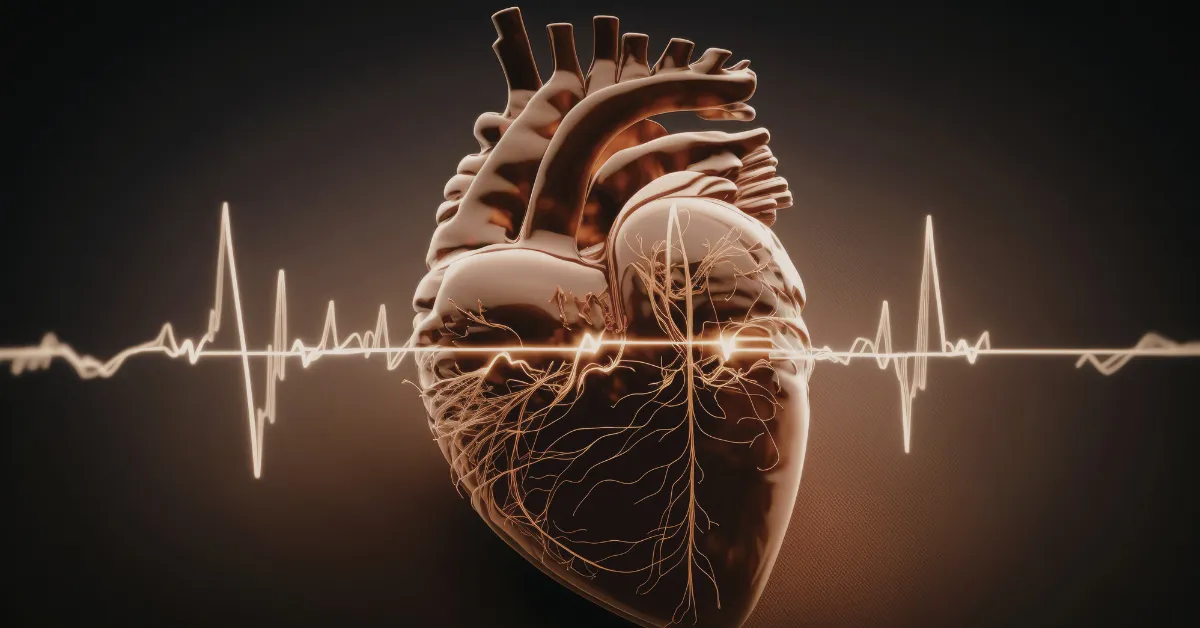
The heart beats through electrical signals that control its rhythm and timing. When professionals want to observe these signals, they often use an ECG test. This test records the electrical activity of the heart and helps show how the heartbeat is functioning.
Understanding how an ECG test works helps explain why it is commonly used when evaluating heart rhythm and circulation patterns. Clear information supports better awareness of how heart activity is monitored.
Topic Snapshot
• measurement of heart electrical signals
• recording of heartbeat rhythm
• noninvasive monitoring test
• used during heart evaluations
• results shown as wave patterns
What Is an ECG Test?
An ECG test (electrocardiogram) is a medical test that records the electrical signals produced by the heart. These signals control how the heart contracts and relaxes during each heartbeat.
By measuring these electrical patterns, the test can provide insight into heart rhythm and circulation timing.
How the ECG Test Is Performed?
During an ECG test, small sensors called electrodes are placed on the chest, arms, and legs. These sensors detect the electrical signals produced by the heart.
The signals are then displayed on a monitor or printed as wave patterns on paper. The entire procedure usually takes only a few minutes.
What the Test Can Show?
An ECG test helps observe several aspects of heart function. The recorded signals provide information about how the heart beats and how electrical impulses travel through heart tissue.
The test may show:
• heart rhythm patterns
• heartbeat speed
• electrical signal timing
• changes in heart muscle activity
These patterns help professionals understand how the heart is functioning.
When an ECG Test Is Used?
Health professionals may recommend an ECG test when symptoms related to heart rhythm or circulation appear. It is also commonly used during routine cardiovascular evaluations.
The test may be performed when people experience symptoms such as chest discomfort, irregular heartbeat, or dizziness.
How Results Are Interpreted?
The wave patterns recorded during an ECG test represent different stages of the heartbeat. Professionals examine these patterns to observe rhythm, timing, and electrical flow.
Because heart activity can change over time, results are often considered alongside symptoms and other health information.
Daily Awareness
Understanding how the heart’s electrical activity is measured may help people become more aware of cardiovascular health. Observing symptoms such as unusual fatigue or heartbeat changes may provide helpful information during health evaluations.
Healthy lifestyle habits and regular monitoring often support better awareness of heart rhythm patterns.
Frequently Asked Questions
What does an ECG test measure?
It records the electrical signals that control the heartbeat.
Is an ECG test painful?
No, the electrodes simply detect electrical signals and do not cause pain.
How long does an ECG test take?
Most ECG tests take only a few minutes to complete.
Closing Thoughts
An ECG test provides a clear view of the heart’s electrical activity and rhythm. Understanding how this test works helps explain how professionals evaluate heart function.
Clear awareness of ECG testing supports better understanding of cardiovascular health and heart rhythm patterns.