
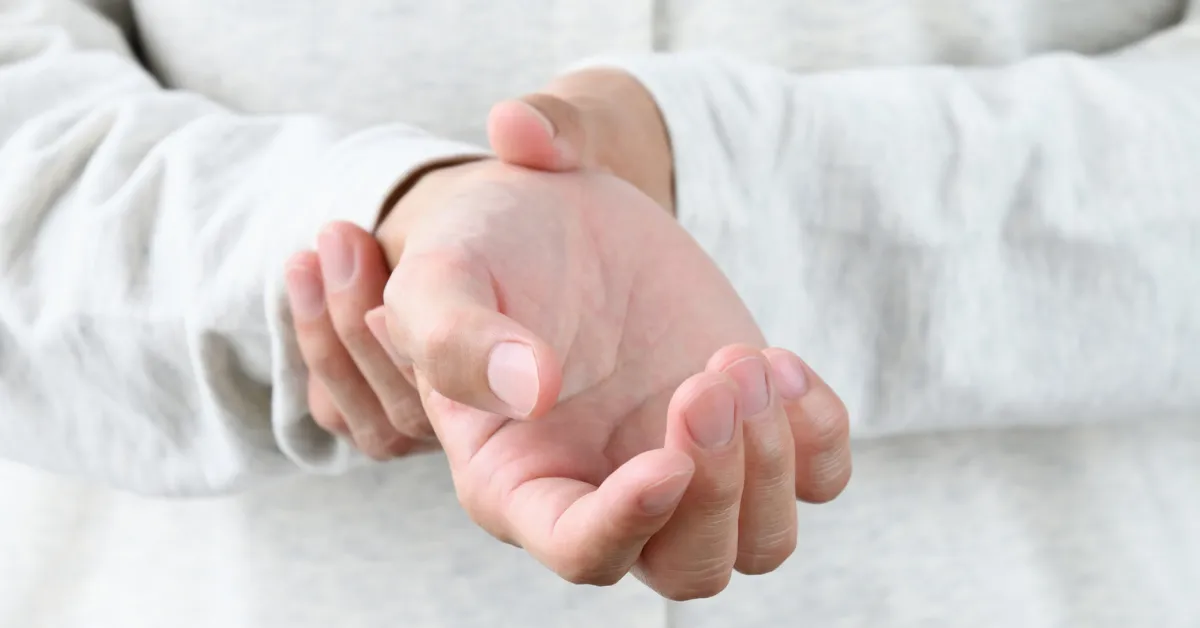
Anxiety is often linked with emotional experiences, but it can also create noticeable physical changes. Many people become aware of physical symptoms of anxiety before they recognize emotional stress.
Understanding how the body reacts helps explain why anxiety may feel different from person to person. Clear information supports better awareness of these physical responses.
Topic Snapshot
• body reactions linked with stress
• nervous system activation
• muscle tension and energy shifts
• variation in intensity and duration
• patterns influenced by daily habits
How Anxiety Affects the Body?
When a person feels anxious, the body’s alert system becomes more active. This response prepares muscles and organs to react quickly to perceived stress. As a result, physical sensations may appear even without a visible trigger.
The nervous system plays a key role in these changes. Increased alertness can influence heart rate, breathing patterns, and muscle tone, creating a range of physical experiences.
Common Physical Sensations
People may notice physical symptoms of anxiety in different ways. Some sensations are mild and brief, while others may feel more noticeable during periods of stress.
Common experiences include:
• muscle tension or tightness
• increased heart rate sensation
• shallow or faster breathing
• sweating or warm sensations
• digestive discomfort
These reactions often reduce when tension levels settle.
Why Physical Symptoms Occur?
Physical sensations linked with anxiety are part of the body’s natural response to stress. Hormonal and nervous system activity can temporarily change how the body feels and functions.
These changes are meant to prepare the body for action. When stress continues, the body may remain in this alert state longer, which can make physical symptoms more noticeable.
Patterns and Triggers
Physical symptoms may appear in certain situations, such as busy environments or emotionally demanding moments. Some people notice patterns linked with workload, sleep quality, or lifestyle habits.
Tracking when symptoms occur can provide insight into possible triggers. Over time, this awareness helps people understand their personal response patterns.
How Symptoms Are Evaluated?
Health professionals often ask about symptom timing, frequency, and associated changes. This discussion helps identify whether physical sensations are linked with stress responses or other factors.
Assessment focuses on understanding the overall pattern rather than one isolated symptom. This approach supports a clearer picture of physical wellbeing.
Daily Awareness
Noticing early body signals can help people recognize how anxiety influences physical comfort. Paying attention to posture, breathing, and stress levels may provide useful insight.
Balanced routines and supportive environments often influence how frequently these sensations appear. Observing these patterns helps build a stronger understanding of body responses.
Frequently Asked Questions
Can anxiety cause physical symptoms without emotional worry?
Yes, some people notice physical sensations before recognizing emotional stress.
Do physical symptoms of anxiety last long?
Duration varies. Some sensations are brief, while others continue during stressful periods.
Are physical symptoms of anxiety common?
Many people experience physical reactions during times of stress.
Closing Thoughts
Physical responses linked with anxiety symptoms reflect how closely the body and mind are connected. Understanding these sensations helps people feel more aware of how stress affects physical comfort.
Clear information about physical symptoms of anxiety supports better awareness and encourages informed conversations about emotional and physical wellbeing.