
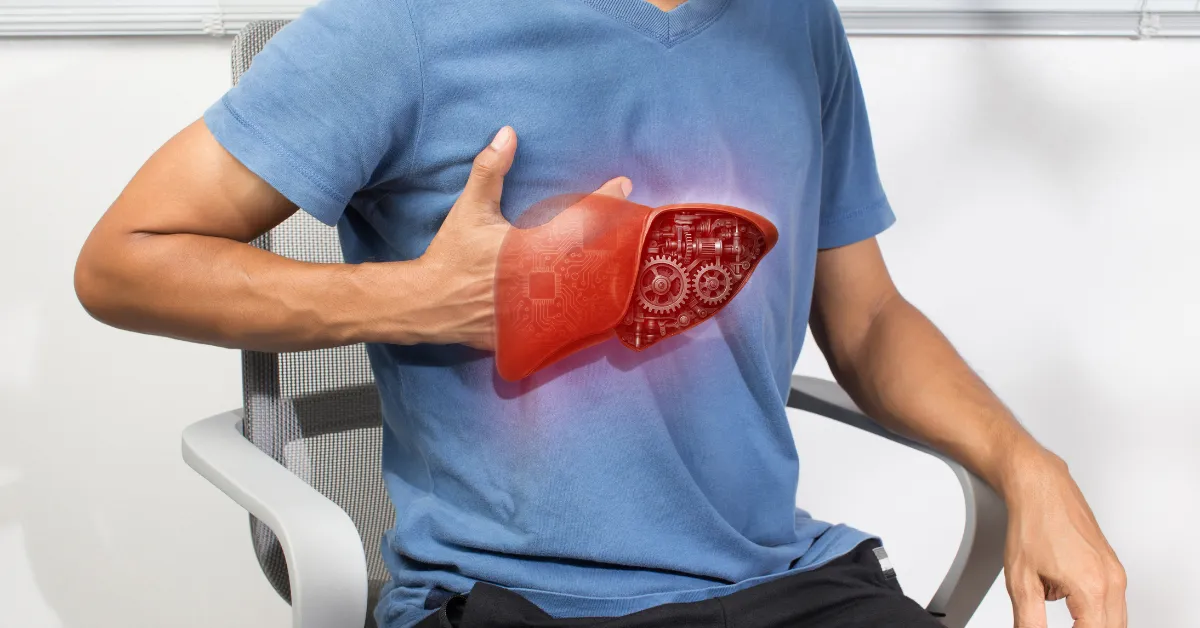
The liver plays an important role in processing nutrients and supporting many body functions. When excess fat builds up inside liver cells, the condition is known as fatty liver. This change may influence how the liver performs its normal activities.
Understanding fatty liver helps explain why certain symptoms or health patterns may appear over time. Clear information supports awareness of how lifestyle, metabolism, and daily habits may affect liver health.
Topic Snapshot
• buildup of fat inside liver cells
• changes linked with metabolism
• gradual development of symptoms
• lifestyle and health influences
• variation in individual experiences
What Is Fatty Liver?
Fatty liver refers to the accumulation of fat within liver tissue. Small amounts of fat in the liver are normal, but larger amounts may affect how the organ functions.
The condition often develops gradually. Some people notice few symptoms at first, while others may experience mild physical changes.
How Fatty Liver May Affect the Body?
Many people with fatty liver do not notice clear symptoms in early stages. However, some individuals report changes in energy or mild discomfort.
Common experiences may include:
• fatigue or low energy
• mild discomfort in the upper abdomen
• feeling of fullness after meals
• reduced stamina during daily activity
These sensations can vary widely between individuals.
Possible Factors Linked With Fatty Liver
Several lifestyle and metabolic factors may influence the development of fatty liver. Changes in diet, activity levels, and body weight can affect how fat is stored in the liver.
Other influences may include metabolic conditions or long-term health patterns. These factors often interact in complex ways, which is why experiences differ among individuals.
Patterns Over Time
Fatty liver often develops slowly and may remain unnoticed for long periods. Some people learn about the condition during routine health evaluations.
Tracking energy levels, digestion patterns, and overall wellbeing may help reveal subtle changes over time.
How Fatty Liver Is Evaluated?
Health professionals may ask about lifestyle habits, diet patterns, and medical history when evaluating liver health. Blood tests and imaging studies are commonly used to observe liver function and structure.
These assessments help provide a clearer understanding of liver condition and overall metabolic health.
Daily Awareness
Paying attention to diet, physical activity, and general health habits can help people understand how lifestyle patterns influence liver wellbeing. Awareness of these factors supports a broader understanding of metabolic health.
Balanced routines and consistent health monitoring often contribute to better awareness of liver function.
Frequently Asked Questions
What is fatty liver?
It is a condition where excess fat accumulates inside liver cells.
Can fatty liver occur without symptoms?
Yes, many people experience no noticeable symptoms in early stages.
How is fatty liver detected?
It is often identified through medical tests such as blood work or imaging studies.
Closing Thoughts
Fatty liver reflects how metabolic changes and lifestyle patterns may influence liver health. Understanding this condition helps people recognize possible changes in energy, digestion, and overall wellbeing.
Clear information about fatty liver supports better awareness of how the liver functions and why monitoring liver health is important.