
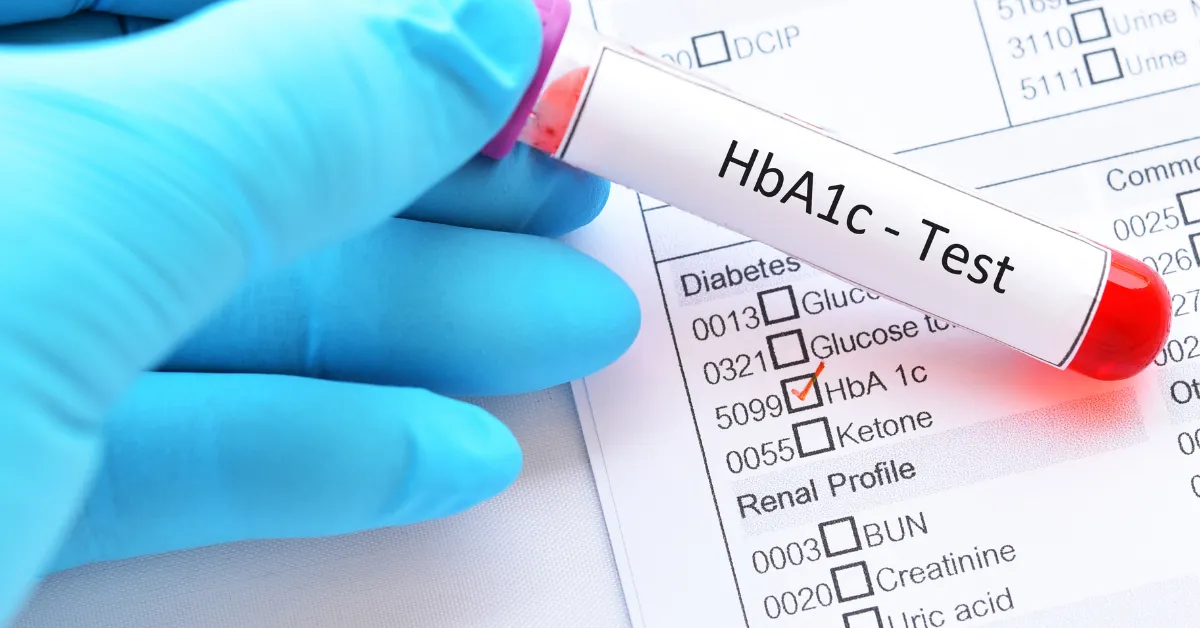
Blood sugar levels can change throughout the day depending on meals, activity, and other factors. To understand long-term glucose patterns, health professionals often use the HbA1c test. This test helps show how blood sugar levels have behaved over several months.
Learning how the HbA1c test works helps explain why it is commonly used when discussing diabetes symptoms or monitoring blood sugar patterns. Clear information supports better understanding of how long-term glucose levels are assessed.
This test helps detect early stages such as prediabetes.
What Is the HbA1c Test?
The HbA1c test measures how much glucose has attached to hemoglobin in red blood cells. Hemoglobin is a protein that carries oxygen through the bloodstream.
Because red blood cells remain in the body for several months, the test reflects average blood sugar levels during that time. This makes it useful for observing longer-term glucose patterns rather than short-term fluctuations.
How Does the Test Work?
When glucose circulates in the blood, some of it naturally attaches to hemoglobin. The HbA1c test measures the percentage of hemoglobin that carries glucose.
Higher glucose levels over time lead to a higher percentage result. Lower average glucose levels usually lead to a lower percentage.
It is often compared with fasting blood sugar to understand daily levels.
Why Is the HbA1c Test Used?
Health professionals use this test to understand overall blood sugar patterns. Unlike a single glucose reading, it provides a broader picture of how glucose levels behave over time.
This information may help identify long-term changes in glucose balance and assist in discussions about diabetes symptoms and metabolic health.
When Is the Test Performed?
The HbA1c test may be used during routine health evaluations or when symptoms related to blood sugar changes appear. It may also be repeated periodically to observe changes in glucose patterns.
Because the test reflects several months of data, it provides a wider view of blood sugar behavior.
How Results Are Interpreted?
Results from the HbA1c test are usually reported as a percentage. This number represents the proportion of hemoglobin that has glucose attached.
Health professionals consider this value along with other health information. The test result alone does not provide a complete picture of overall health.
Daily Awareness
Understanding the purpose of the HbA1c test can help people recognize how lifestyle patterns influence long-term glucose balance. Observing daily habits such as eating patterns, sleep, and activity levels may provide helpful context when discussing test results.
Awareness of these factors supports better understanding of how the body manages blood sugar over time.
Results are commonly used when evaluating diabetes symptoms.
Frequently Asked Questions
What does the HbA1c test measure?
It measures the average amount of glucose attached to hemoglobin in red blood cells over several months.
Is the HbA1c test the same as a blood sugar test?
No. A standard glucose test measures current blood sugar, while the HbA1c test reflects longer-term patterns.
How often is the HbA1c test used?
The timing varies depending on individual health needs and medical evaluation.
Closing Thoughts
The HbA1c test provides insight into how blood sugar levels behave over an extended period. Understanding this test helps clarify how long-term glucose patterns are evaluated.
Clear awareness of this process supports informed conversations about blood sugar health and metabolic wellbeing.