
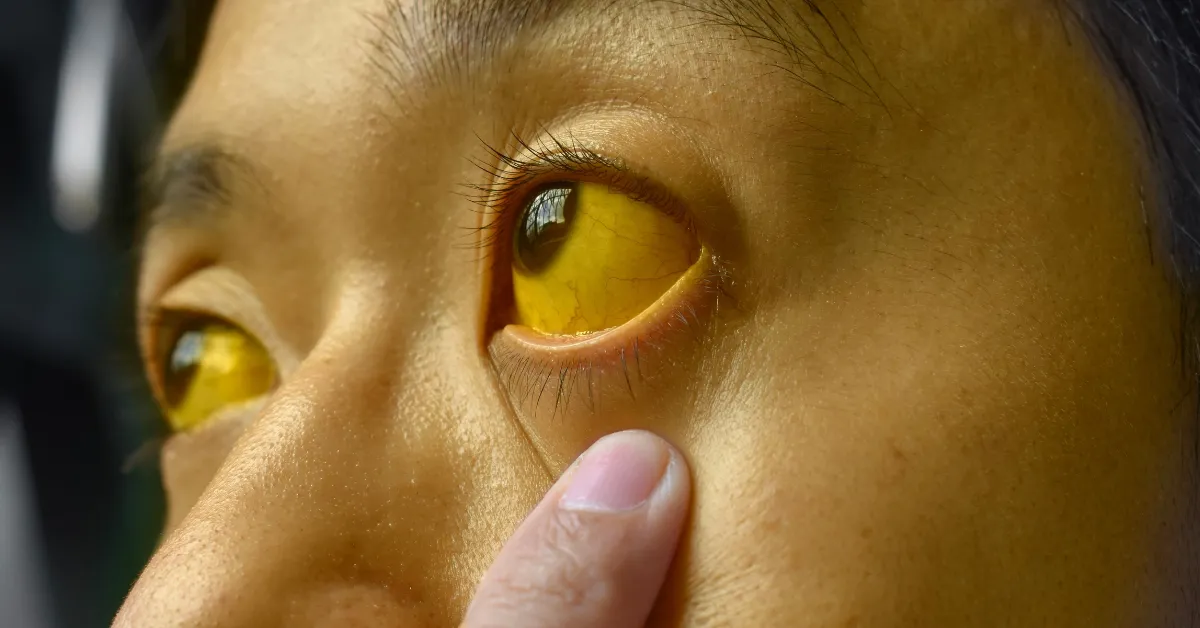
Jaundice refers to a yellow discoloration of the skin and eyes that appears when certain substances accumulate in the body. Recognizing jaundice symptoms helps explain how liver health may influence skin and eye color.
This change occurs when bilirubin, a substance produced during the breakdown of red blood cells, builds up in the bloodstream. Understanding these symptoms supports awareness of how the liver processes waste products.
Topic Snapshot
• yellowing of skin and eyes
• bilirubin buildup in the blood
• digestive and metabolic changes
• variation in symptom appearance
• patterns linked with liver function
What Are Jaundice Symptoms?
Jaundice symptoms appear when bilirubin levels increase in the body. Bilirubin normally passes through the liver and leaves the body through bile.
When this process changes, bilirubin may accumulate in the bloodstream. This buildup can affect skin tone and eye color.
Visible Signs of Jaundice
The most recognizable jaundice symptoms involve changes in skin and eye color. These changes may appear gradually or become more noticeable over time.
Common signs include:
• yellowing of the skin
• yellow color in the whites of the eyes
• dark urine
• pale stools
• itching of the skin
These signs may vary depending on the cause.
Why Jaundice Occurs
Jaundice occurs when bilirubin cannot be processed or removed efficiently by the liver. This may happen due to liver conditions, bile flow changes, or increased breakdown of red blood cells.
As bilirubin levels rise, the yellow pigment becomes visible in the skin and eyes.
Patterns Over Time
Some people notice jaundice developing gradually, while others experience sudden color changes. Monitoring skin tone and eye color may help identify early signs.
Recognizing these patterns may support earlier health evaluation.
How Jaundice Is Evaluated
Health professionals often review symptoms and medical history when evaluating jaundice symptoms. Blood tests are commonly used to measure bilirubin levels.
Imaging tests may also be used to observe the liver and bile ducts.
Daily Awareness
Paying attention to changes in skin tone, eye color, and urine color can help people recognize early body signals. Awareness of these signs may support better understanding of liver function.
Balanced lifestyle habits and regular health monitoring often influence metabolic wellbeing.
Frequently Asked Questions
What causes jaundice?
It occurs when bilirubin builds up in the bloodstream.
Are jaundice symptoms always related to liver disease?
Not always. Other conditions may also influence bilirubin levels.
Is yellowing of the eyes an early sign?
Yes, the whites of the eyes often show color changes first.
Closing Thoughts
Jaundice symptoms reflect how bilirubin levels and liver function influence skin and eye color. Recognizing these signs helps people become more aware of changes in metabolic health.
Clear information about jaundice supports better understanding of how the body processes waste substances.